





Naruto Uzumaki: The Village Menace With a Point to Prove
Spoilers: Naruto Episodes 1–220 (Pre-Shippuden)
There’s something about early Naruto that sneaks up on you when you rewatch it.
You think you remember the jokes, the noise, the chaos, and then suddenly you’re sitting there going, “oh… damn, this kid was carrying way more than I realized.”
Naruto was childhood for me. And I don’t mean that lightly. There were stretches growing up where things just kind of sucked, and watching this loud, stubborn kid refuse to give up when everything was against him meant something I couldn’t have articulated at the time. The loneliness wasn’t the same as his, obviously. But it rhymed. And that was enough.
In this Naruto character analysis, I’m looking at who he was before Shippuden: the loud kid, the lonely kid, and the one who kept moving because stopping felt scarier than anything else. The era before everything shifted. If you know, you know.

© Masashi Kishimoto / Shueisha / Pierrot
He was a walking headache in Episode 1, genuinely. Clumsy, obnoxiously loud, pulling pranks like it’s a full time job. But underneath all of that he’s just trying to get someone, anyone, to look at him. That tiny, messy truth makes him feel way more real than most “chosen one” types. He’s not special because of destiny, at least not at this point. He’s special because he keeps trying long after most kids would’ve stopped.
Naruto starts as the village troublemaker not because he wants chaos but because it’s the only kind of attention he knew how to get. The best part of early Naruto is watching that shift: from “look at me” to “I want to protect the people who finally looked back.”
His loneliness doesn’t really start to crack until Iruka steps in, and honestly that moment still lands no matter how many years it’s been. Iruka isn’t some grand mentor or powerhouse. He’s just the first adult who actually sees Naruto as a kid instead of a burden. That quiet acceptance becomes the emotional floor Naruto finally gets to stand on.
And once Team 7 forms, everything changes again. Not in some dramatic found family montage, more like three kids awkwardly figuring out how to coexist while Kakashi pretends he’s not basically babysitting future disasters. Their dynamic is messy, funny, frustrating, and somehow exactly what Naruto needed. For the first time he isn’t alone by default. He has people to annoy, impress, and eventually protect.

The Wave Arc is where the show stops joking about Naruto’s emotions and actually lets him feel them. His reaction to Haku’s death, crying for someone he fought against, is one of those scenes where you have to pause for a second. Naruto doesn’t grieve because he lost the fight. He grieves because he recognizes a loneliness that mirrors his own. That’s the moment he realizes being strong isn’t about winning. It’s about refusing to treat people like they’re disposable, because he knows exactly what it feels like to be on the receiving end of that.
By the time the Chunin Exams roll around, he isn’t just chasing acknowledgment anymore. He’s chasing connection. Purpose. A place where he belongs without having to scream for it. And honestly the world building in this stretch is so good: the hidden villages, the political undercurrents, the way the exam itself functions as a proxy war between nations. I could go down that rabbit hole forever. But the emotional core is Naruto.
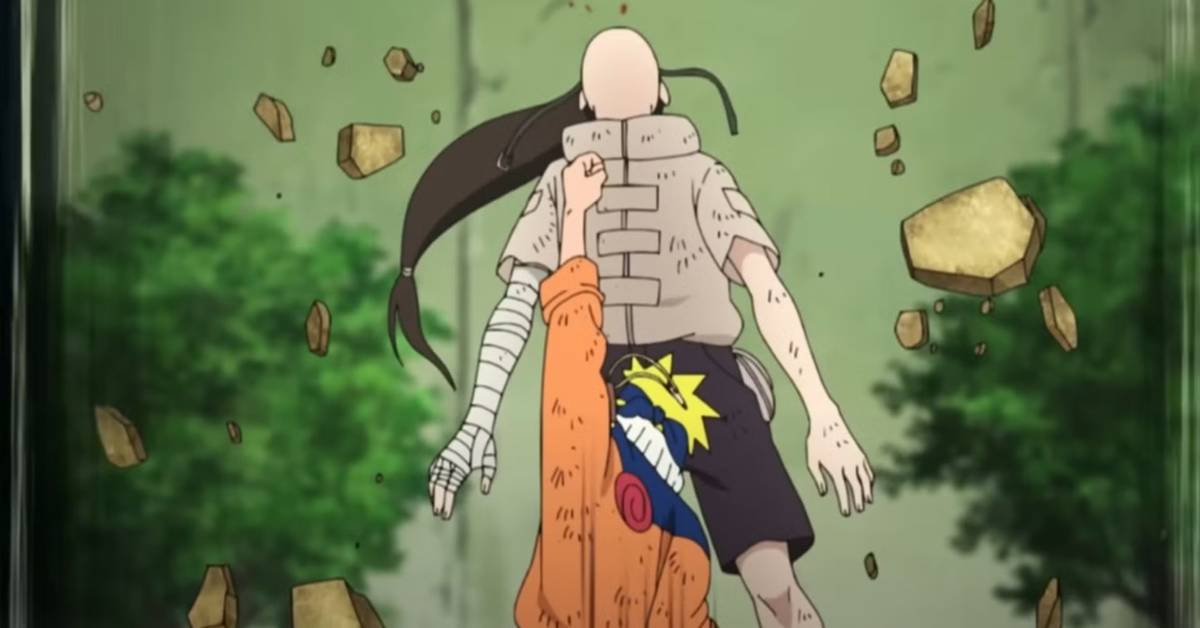
Naruto vs. Neji is the moment where the whole show sharpens. It’s not memorable because of the final hit. It’s because you can watch Naruto decide, in real time, “nah. I’m not living like that.”
Neji talks about destiny like it’s carved into your bones before you’re born. Naruto knows that feeling better than anyone, the way people look at you like your future is already decided and it isn’t a good one. He’s lived with that since he was old enough to understand what the stares meant. But where Neji accepted it as truth, Naruto refuses. He’s not just fighting Neji in that match. He’s fighting the idea that your path is locked in before you ever get to walk it.
That tired, stubborn look on his face afterward, that’s him proving something to himself for the first time. Not to the crowd. Not even really to Neji. To himself.

Sasuke leaving is where the show stops being a goofy series about pranks and steps into something heavier. Watching these two idiots (and I say that with full affection) sprint toward the Valley of the End like it’s the world’s most dramatic falling out still feels wild. It’s messy and emotional and uncomfortable in that “oh, this friendship is actually fracturing” way.
The painful part is that they’re both doing what they think is right. Naruto is trying to hold onto the first real bond he ever had. Sasuke thinks the only way forward is to cut every bond he’s ever made. Neither of them has the vocabulary to say what they actually mean. There’s no prophecy pulling them apart. It’s just two scared kids and a whole lot of unprocessed pain running at each other at full speed.
That’s why the Valley of the End hits the way it does. It’s not a hero vs. villain fight. It’s two broken boys trying to save themselves and maybe each other, and failing, and that being exactly the point.
Naruto’s early arc works because it never tries to sell him as a destined hero waiting to awaken. He’s a loud kid trying to outrun the story the world wrote for him before he had any say in it. The world building, the lore, the mythology of it all, that stuff is genuinely fascinating and I will absolutely go down that rabbit hole in future posts. But none of it hits without this foundation.
He’s the reason I stayed. He might be the reason you did too.
What was the first moment Naruto stopped feeling like comic relief for you? I’d love to hear which scene caught you off guard.
You can check Naruto’s official page on Crunchyroll for episode lists and more info about the series.



Pingback: Denji Character Analysis: Chainsaw Man Season 1 | Otaku Tavern
Pingback: Edward Elric Character Analysis: Fullmetal Spotlight | Otaku Tavern
Pingback: Chunin Exam Fights That Wrecked My Emotions | Naruto