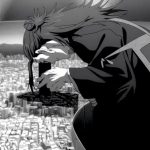


Ok so this started as a joke.
“What if we just ran Bleach as a campaign?”
You know how it goes. Swords. Afterlife bureaucracy. Outfits that should not work but absolutely do. Everyone legally required to scream the name of their attack before throwing it at someone’s face.
But the more I actually sat with it, the more it stopped being a bit and started being a whole document on my desktop. Which is how I know I’m cooked on an idea. My notes app has seen some things.
Because the Soul Society is a setting that was basically designed to fall apart under scrutiny, and handing that to a table of players is either genius or a cry for help. Probably both.
The Part That Most People Miss
On the surface it looks clean. Souls die, they get processed, they end up somewhere, balance is maintained. Tidy little loop.
Except that loop only holds if every soul gets handled correctly, every placement is actually fair, nothing slips through the cracks, and absolutely nobody starts asking why certain people end up in Rukongai while others don’t.
Spoiler: someone always asks.
That’s your campaign right there. Not “kill Hollows and get stronger.” The actual campaign is “wait, hold on, why is this person here?”
That question is a crowbar. Hand it to your players on session one and just watch what happens. They will pry up every floorboard in the place.
What You Actually Let Players Be
Don’t open character creation with classes and stats. Open it with one question: where do you stand?
Because honestly that’s the only thing that matters at the start. Someone who still believes the system works. Someone who follows orders because it’s easier than the alternative. Someone who figured out it was broken a while ago and has been quietly furious ever since. Someone who benefits from the way things are set up and would really, really prefer nobody looks at that too hard.
Put those four in a party together and give them a mission. You’ll get more drama out of that single debrief conversation than most campaigns get in a full arc
How the Factions Actually Work at the Table
Ok here’s where I’m going to get into it a little, because this is the part most “Bleach D&D” posts skip and it’s the part that actually matters.
Shinigami
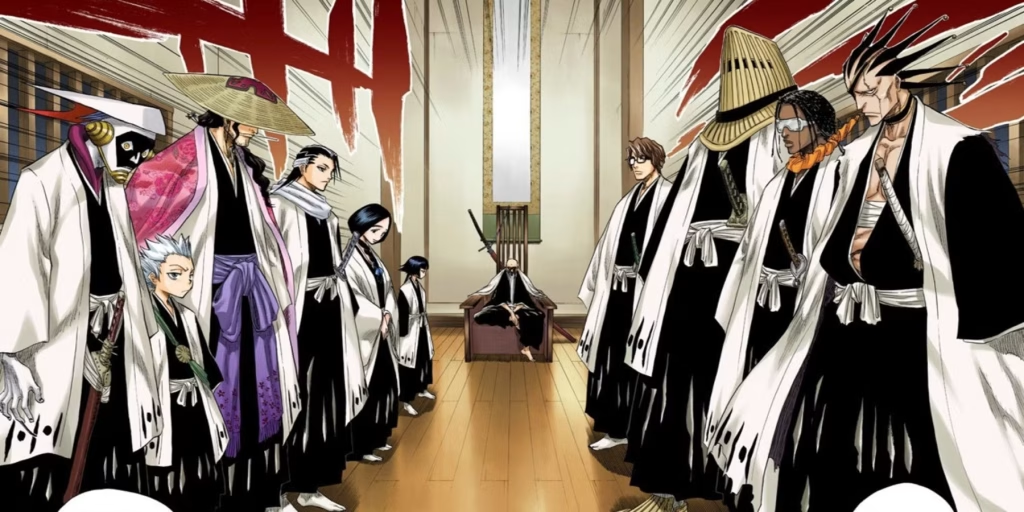
They’re probably the easiest starting point mechanically. You can get most of the way there with a Fighter or Paladin reskin and then spend your energy on the stuff that actually matters. The Paladin works especially well because the oath mechanic maps almost perfectly onto loyalty to the Gotei 13, and breaking that oath has real mechanical weight. Give them a sacred flame reskin for Kido and you’re basically done.
The interesting play is tying their progression to rank within the Gotei. Academy level means limited tools and a lot of supervision. Seated officer means more autonomy and more eyes on you. Lieutenant and above means real power and real political exposure. They get orders. They follow them. And they’re usually the first ones to notice when something doesn’t add up, which is a problem because they also have the most to lose from saying so.
Hollows
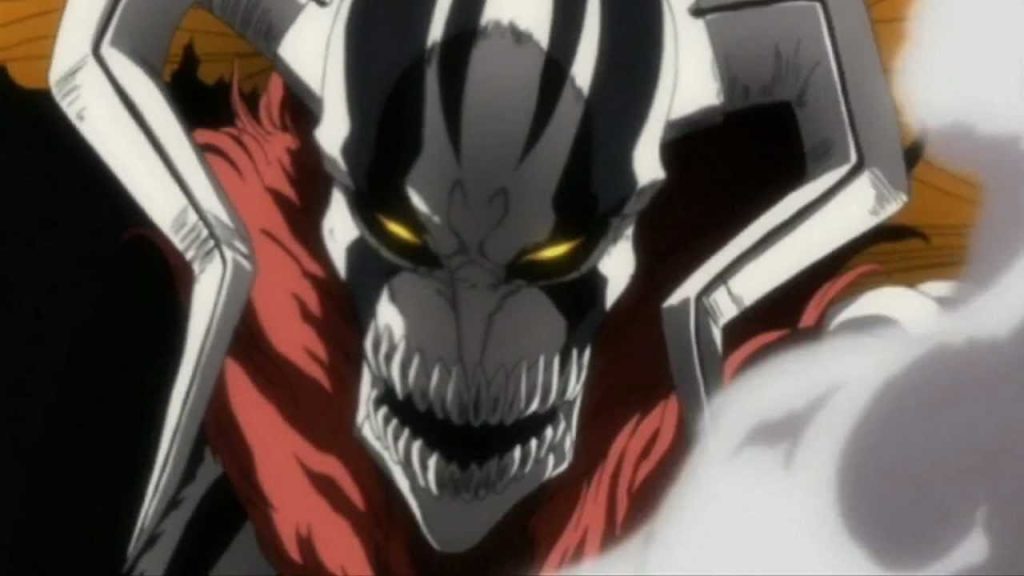
This is where it gets genuinely fun to homebrew.
Build Hollows as a custom lineage rather than a class. Give them a Fragment mechanic, a pool of memories from who they were before that they can spend to access abilities. The more they use it, the more coherent they become. The more coherent they become, the more the system flags them as a problem.
The tension is baked in. They’re not supposed to be this aware. Every moment of clarity is technically a liability. Players who lean into this are going to have an absolute blast, especially if there’s a Shinigami in the party who is, by the rules, supposed to report exactly this kind of thing.
Quincy
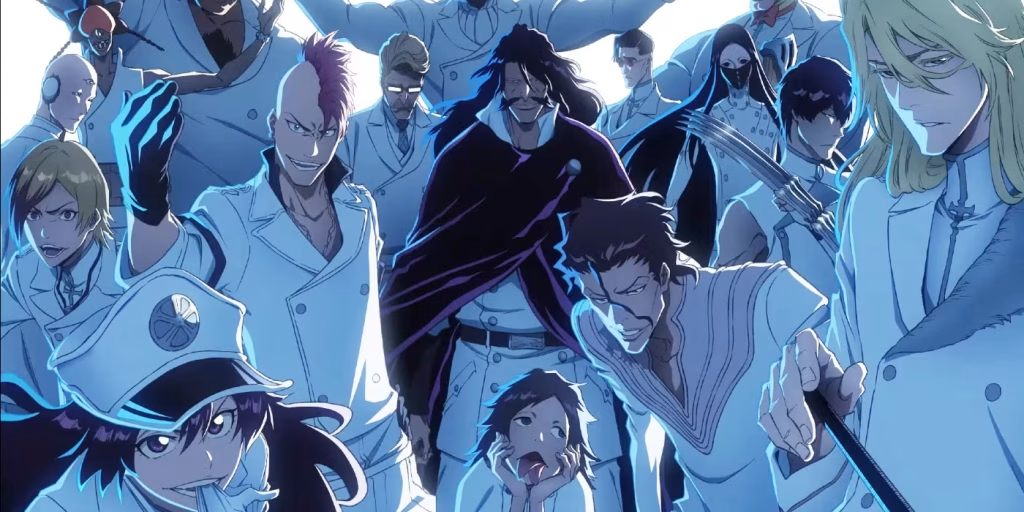
Ranger or Artificer, reskinned hard toward precision and destruction. The flavor is that Quincy don’t purify souls, they annihilate them, which is a whole moral can of worms the party can crack open whenever they feel like it.
Their weapon is a Heilig Bogen, a spirit bow constructed from ambient Reishi they pull out of the environment. Mechanically treat it like an Arcane Archer rework. The ammo is effectively infinite but the draw cost scales with what they’re firing at. They can also run Ginto techniques, little silver tubes of compressed spirit energy they’ve prepped in advance, think of them like a Quincy’s version of spell slots. Finite, prepared, and very satisfying to use well.
The whole deal with Quincy is that they reject the system entirely. They will not take an order from a Gotei captain without making it the whole table’s problem. Great for chaos. Slightly terrifying to DM for. Worth it. Probably.
Fullbringers

Fullbringers are the weirdest one and honestly my favorite to think about. Don’t tell the Hollow players.
Their power comes from attachment. From meaning. From the significance they’ve poured into a specific object over years of their life. Mechanically treat their core item like a Warlock pact weapon but way more personal and way higher stakes.
Here’s the session zero prompt that makes it work: before the campaign starts, every Fullbringer player tells you one object their character would never let go of and why. That object becomes the anchor for everything they can do. Its nature shapes what their abilities look like. Something sharp creates cutting abilities. Something that was a gift creates something protective. Something broken does something interesting that you and the player work out together.
The catch is that if the object is destroyed, or if the emotional meaning behind it collapses, the power goes with it. You want volatility at your table? This is how you get it.
Zanpakuto: How to Actually Run It
Everyone wants the cool sword. That’s fine. But this section is about making it mean something instead of just being a damage upgrade.
Shikai

Shikai is the first unlock and it should feel earned rather than scheduled. Don’t tie it to a level. Tie it to a moment.
The sword has a name and a spirit, and it will not respond until the player’s character has genuinely reckoned with something true about themselves. That reckoning doesn’t have to be dramatic or announced. It can be quiet. A choice they made that surprised even you. A conversation they had that shifted something. A moment where they stopped performing who their character is and just were that person for a second. You know the moment. Every DM has seen it at least once.
When it happens, you’ll know. Pull them aside, real quick, between sessions or even at the table, and tell them: “Your sword tells you its name.”
One ability. Tied entirely to who they are. Not what they can do. Who they are.
Bankai
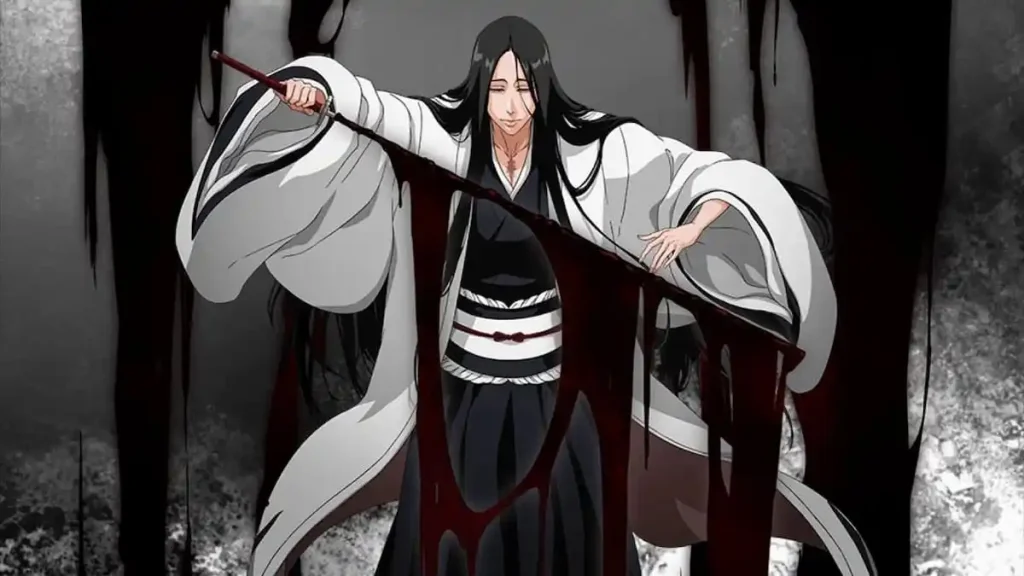
Bankai is mastery. Full integration of that self-knowledge, processed and worn in, and out the other side changed by it. Mechanically it’s a significant power jump, two or three abilities instead of one, often changing how the character moves through combat entirely.
But here’s the thing about Bankai. It should cost something to get. Not XP. Not training time. Something real. A failure they had to sit with. A relationship that changed. A version of themselves they had to let go of.
Bankai is the answer to: who are you now, after everything?
Visored Unlocks
If a Shinigami player goes through enough hell and you both think it fits, there’s a third stage available. Hollow integration. A mask. Enhanced everything, but with a clock. They can only hold it for so long before it stops being them wearing the mask and starts being the other way around.
Mechanically I’d treat it like a Rage equivalent. Powerful, finite, and carrying a DC that climbs the longer they stay in it. Great for players who want that edge. Terrifying in the best way.
The Hybrid Question: Arrancar, Visored, and What Happens In Between
The setting doesn’t have to stay clean. It probably shouldn’t.
Arrancar
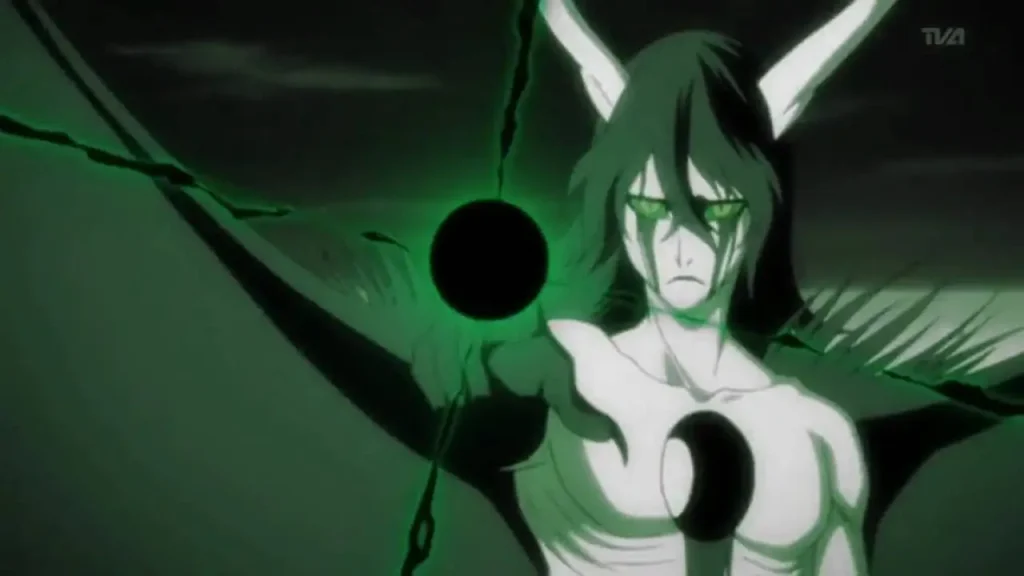
Hollows who removed their own mask and crossed into something new. They’ve got Shinigami-like powers now, a sword, a release form called Resurreccion that works like a Zanpakuto Shikai in practice, and they exist in a place the system has absolutely no category for.
Build them as a Hollow lineage with a custom Resurreccion unlock that works on the same emotional logic as Zanpakuto. What did they hold onto when they tore off the mask? What’s left of who they were? That’s where the ability comes from.
Arrancar are interesting at the table because they’ve got one foot in Hollow territory and one foot in something else entirely, and neither side is comfortable with that.
Visored
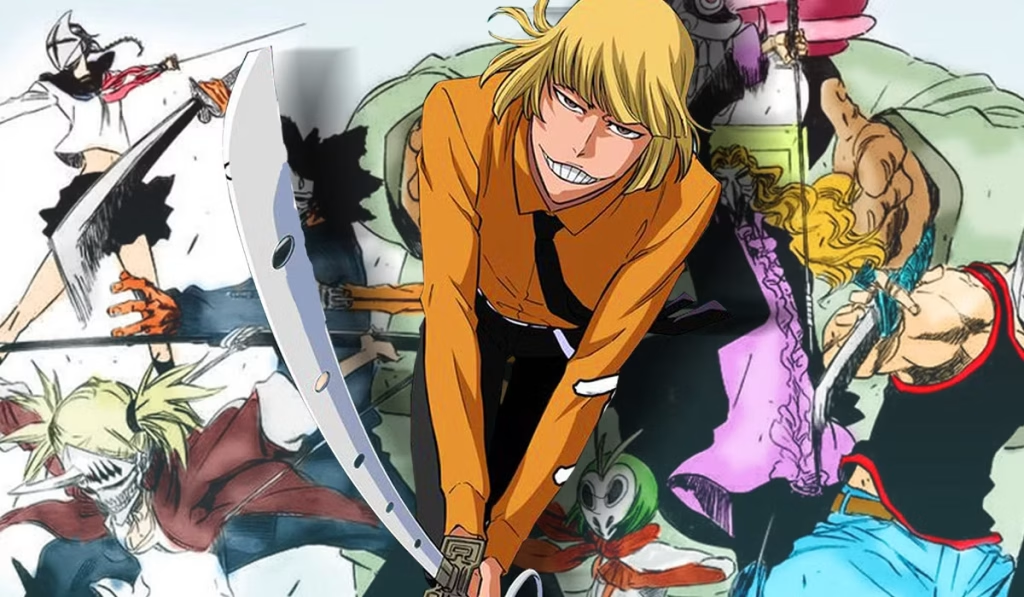
Shinigami who went the other direction. Got Hollowfied, survived it, learned to use it. The Gotei 13 does not officially endorse this.
These work best as an unlock rather than a starting option. Let a Shinigami player earn it through play. The mask gives them a time-limited power ceiling that’s above almost anything else in the setting, which is great for moments and terrible for balance if you let them pop it every encounter. Put a consequence on it and it stays interesting.
Bounts
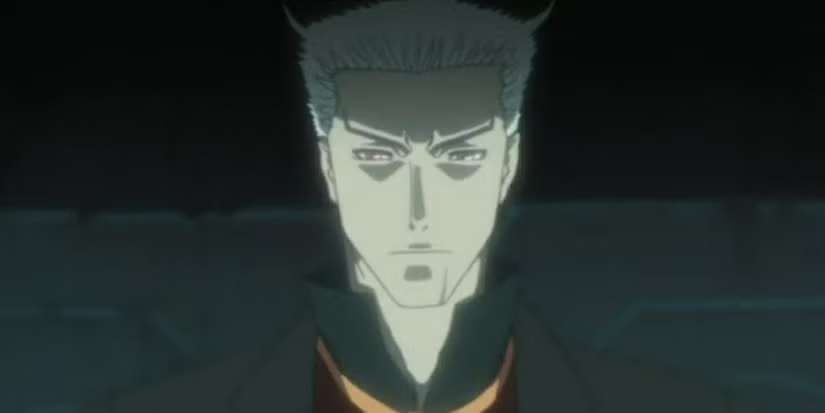
Listen, I will die on this hill. The Bount arc was a good filler arc.
Bounts are humans who can absorb souls, which has kept them alive for centuries and made them something the system genuinely doesn’t know what to do with. Their core mechanic is the Doll, a familiar-type construct manifested from their own soul that fights alongside them and has its own personality.
And here’s what makes them great at the table: the Doll has its own agenda. Not always in conflict with its Bount, but not always in alignment either. Build it as a companion character with its own stat block and a relationship meter with its user. High relationship means they work in tandem. Low relationship means the Doll starts making its own calls in combat. A Doll that fully breaks from its Bount becomes something you really do not want to fight.
Mechanically build them as a Ranger with a heavily modified Companion feature and a soul-absorption ability that lets them recover resources by, well, doing the thing the system considers an atrocity. Good luck with the ethics conversations at your table.
Power Scaling Without Losing Your Mind
This is the part that usually makes anime-based campaigns eat dirt by session three. How do you handle the fact that a seated officer and a captain are not even in the same conversation power-wise?
Simple answer: don’t try to replicate it exactly. Represent it narratively and build tiers.
Here’s the rough structure I’d use:
Academy Level — Fresh players. They can fight standard Hollows and survive. A lieutenant looks at them the way a senior employee looks at an intern. Not hostile, just aware of the gap.
Seated Officer (6th through 3rd seat) — They’re real now. They get assigned to things that matter. Captains know their names, which is a double-edged thing.
Lieutenant Tier — The party has done something significant enough that the power structure has opinions about them. Doors open that didn’t before. So do threats.
Captain Adjacent — This is late campaign territory. They’re not captain level but they’re close enough that captains have started paying attention in ways that aren’t comfortable.
The key is that power in this setting isn’t just about combat stats. A low-ranked Shinigami who knows something they shouldn’t has more narrative power than a high-ranked one who follows orders. Build encounters around that.
Also: don’t let players fight captains early. Not because they’ll lose, though they will, but because it deflates the setting. Captains should feel like weather events. You don’t fight a thunderstorm. You survive it and figure out what it wanted.
The Setting Is Bigger Than Soul Society
One mistake is treating this like the whole world is the Seireitei. It’s not. Here’s what you actually have to work with.
Soul Society (Seireitei + Rukongai)
The Seireitei is the center, all walls and protocols and ranks and politics. It’s where the power lives and where most of the corruption is quietly maintained. Rukongai is the outside, sprawling and poor and largely ignored by the people in charge, which is itself a story if your players look at it.
Most campaigns start here because it’s the most familiar, but don’t let it become a comfort zone. The system is the antagonist. The Seireitei is its face.
Hueco Mundo
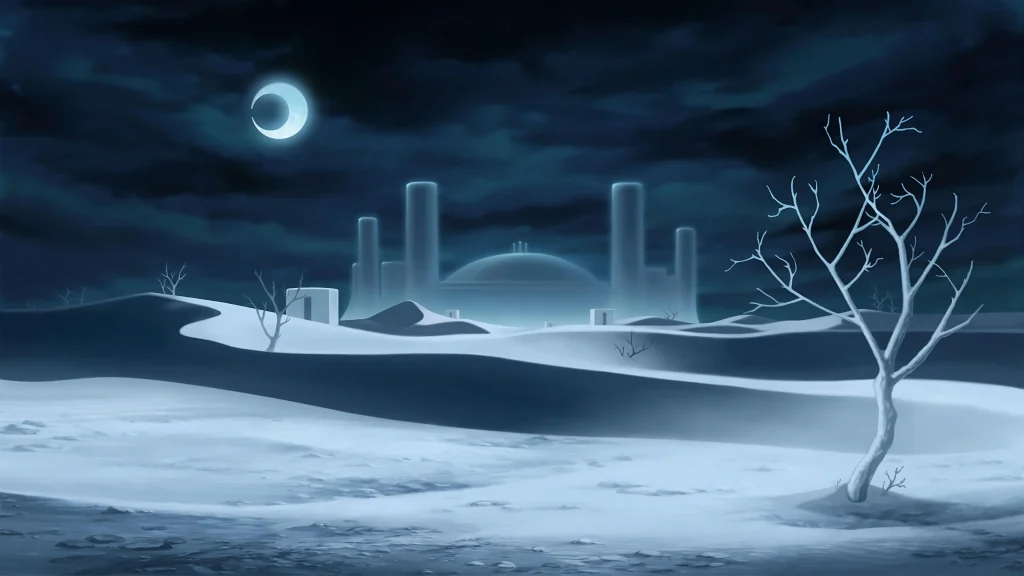
A desert that goes on forever under a permanent artificial moon. Las Noches sits in the middle of it like a bad dream someone built out of bone.
Hueco Mundo is where you send the party when you want isolation and dread. No clear authority structure, no backup coming, just endless sand and things that remember being human and wish they didn’t. It’s great for a specific kind of horror-adjacent session and genuinely changes the tone when you get there. Use it deliberately.
Karakura Town

The living world. The veil between it and Soul Society is thinner here than it should be, which means Hollows show up more, which means Shinigami are stationed here, which means there are humans walking around who can see all of this and are having a really bad week.
Karakura is great when you want to remind players what’s actually at stake. Soul Society is abstract. A convenience store in Karakura Town with a family in it is not. Drop the party there for an arc and watch how fast the politics get personal.
It’s also where Fullbringers and Bounts are most at home, and where Quincy tend to operate outside official channels. Good mixing ground for a party that doesn’t fully fit anywhere.
How Player Actions Actually Change Things
This is what makes the setting feel alive instead of just scenic.
Every meaningful choice your players make should ripple somewhere. Here’s how I’d track it.
The Balance
Soul Society runs on a spiritual equilibrium between the living world, the Soul Society, and Hueco Mundo. Every time the players do something significant, ask yourself: what does this do to the balance?
Killing a lot of Hollows means soul flow increases. That sounds good until the system starts getting backed up and weird stuff starts happening in Rukongai. Protecting souls that should move on means pressure builds somewhere else. Breaking a rule in the Seireitei might seem small until three sessions later when a captain gets reassigned because of the investigation it quietly triggered.
You don’t have to tell players any of this. You just play it out and let them connect the dots.
Political Weight
The Gotei 13 is not a monolith. Captains have agendas. Factions exist. If the players do something visible, some captains will see it as useful and some will see it as a threat, and those reactions won’t always be obvious or immediate.
Keep a simple note for each captain: what do they want, and what does the party’s current reputation mean to them? That’s all you need. The rest writes itself.
The Rukongai Problem
If your players ever start actually paying attention to Rukongai, the whole campaign can pivot. There are people out there who have been waiting for decades. Who have never been called. Who the system has simply left. If the players decide to care about that, you have a completely different story than the one you started running, and it’s a better one.
Let that happen. Follow it.
Session 1: Run This

Keep it small. Do not open with a war.
A soul hasn’t passed on. Not threatening, not stuck in the traditional sense. Just refusing. Your players get sent to handle it because it should take twenty minutes, tops.
When they arrive there’s no fight. The soul is just sitting somewhere quiet, somewhere that feels personal somehow, a spot that seems too specific to be random. They’re not hiding. They look up at the party like they’ve been expecting them and say:
“I already went through this. Why am I back?”
Don’t rush that line. Let it be weird for a second. Let the players sit in it.
If they push, give them fragments. The soul remembers being processed. Remembers the intake, the questions, the placement. Remembers where they were supposed to go. Remembers something changing suddenly and then nothing, and then here, again, like a tape that got rewound.
If someone checks the records, everything looks correct. Placement confirmed. Transition logged. Status: complete.
That’s the problem. It’s too clean. It’s correct in a way that real records aren’t, no processing notes, no officer signature, no variation at all. Just the right fields filled in with exactly the right answers.
Then the message comes in. Short. No context. No follow-up questions.
Resolve the anomaly.
That’s the whole order.
Now you just follow the table. Which sounds easy until it isn’t.
If they try to move the soul by force, it resists. Not violently. It just won’t go. Like trying to push someone who has decided they are not moving. You can throw everything at it and it stays.
If they talk to it more, the story gets worse. Details start not adding up. The soul mentions a name, a place, something specific enough that someone could check it. If they do check it, that record is clean too. Differently clean. Same problem.
If they report what they actually found to their superior, the response comes back fast. Too fast. Drop it. The anomaly has been reclassified. No further action required.
If they decide to protect the soul instead of resolving it, congratulations, they’ve just made themselves visible to whoever cleaned those records in the first place.
Whatever they choose, don’t end on a fight. End on the decision. The players walk away from session one with a choice made and the quiet understanding that something knows they were there.
That’s the seed. Everything grows from it.
Why This Actually Works
Soul Society is cool, that’s not up for debate. But that’s not actually why this works at the table.
The setting naturally generates the stuff D&D does best and DMs can’t manufacture on purpose. Arguments that derail combat because two characters want genuinely different things. NPCs that were supposed to be one-scene throwaway appearances that three players are now emotionally invested in keeping alive. Someone making a choice that isn’t optimal but is the only one their character could live with, and then having to carry the consequences of that for the rest of the campaign.
You build the scaffolding. The factions, the pressure, the drip of wrongness underneath every clean-looking mission.
The players build the actual story. The campaign you run won’t be the one you planned. It’ll be better. It’ll be the one that actually happened.
One Last Thing

Don’t try to recreate the show. Seriously, don’t.
The show already exists and it’s great. You don’t need to do it again.
Run the system. Let your players make choices the characters in the show never got to make. Let them break things in directions nobody planned for. Let the Bount player have their moment. Let the Arrancar cause a diplomatic incident in the Seireitei. Let whoever’s playing the Fullbringer lose the object their power was tied to and figure out who they are without it.
It will crack somewhere you didn’t expect.
And the moment you let that happen you’re not running a campaign anymore.
You’re running a tribute act with extra steps.
If you want the bigger picture on why this kind of thing works, I wrote a bit more about anime and tabletop storytelling and where that overlap actually hits.